Julia Steiner
growing
A conversation between Julia Steiner and Margherita Martini, Zurich, 2025
MM: There is an atmospheric coherence to this show that feels inseparable from its setting. It gives me the impression that growing doesn’t just happen in Ardez, but with it. The surrounding landscape, the rhythm of the village, the intimacy of the exhibition space, all this echoes through your works. How has your relationship with the Engadine shaped this exhibition?
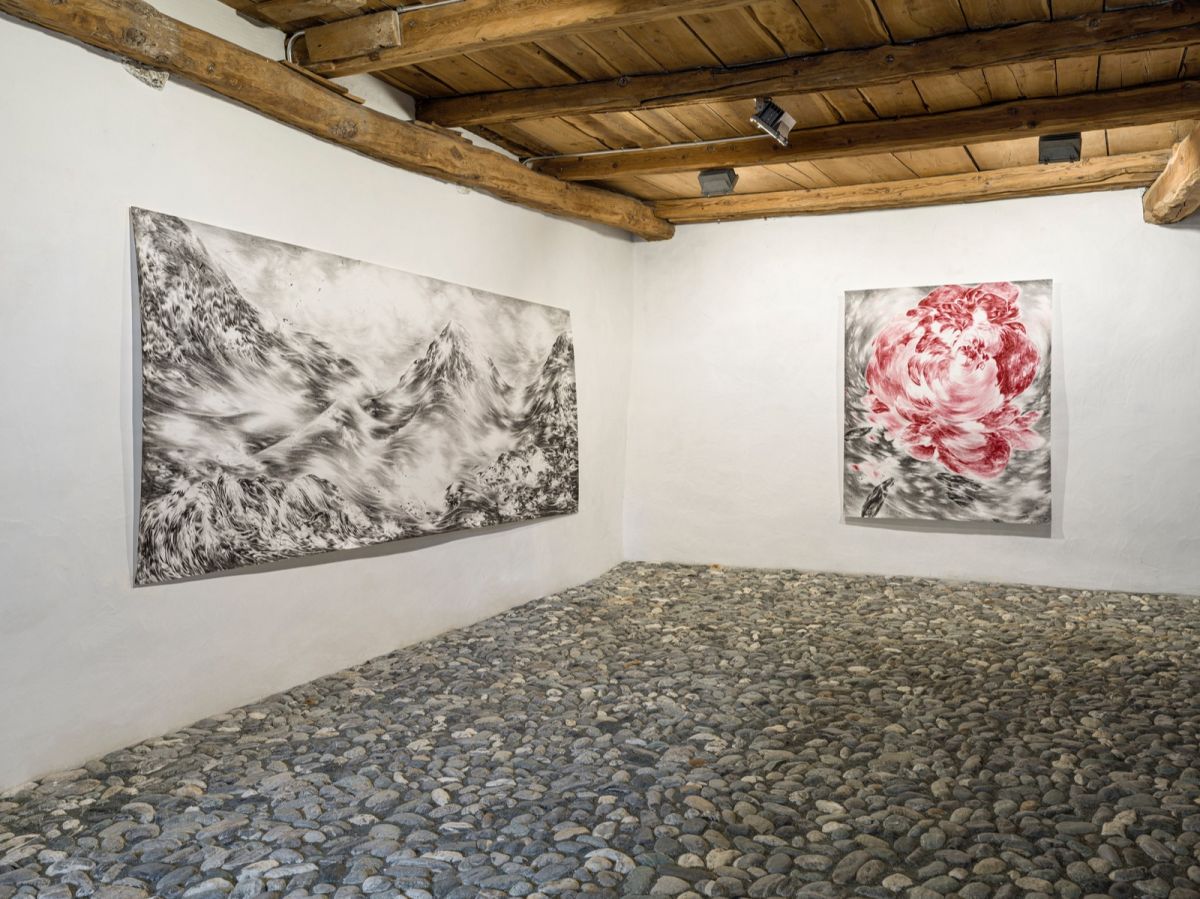
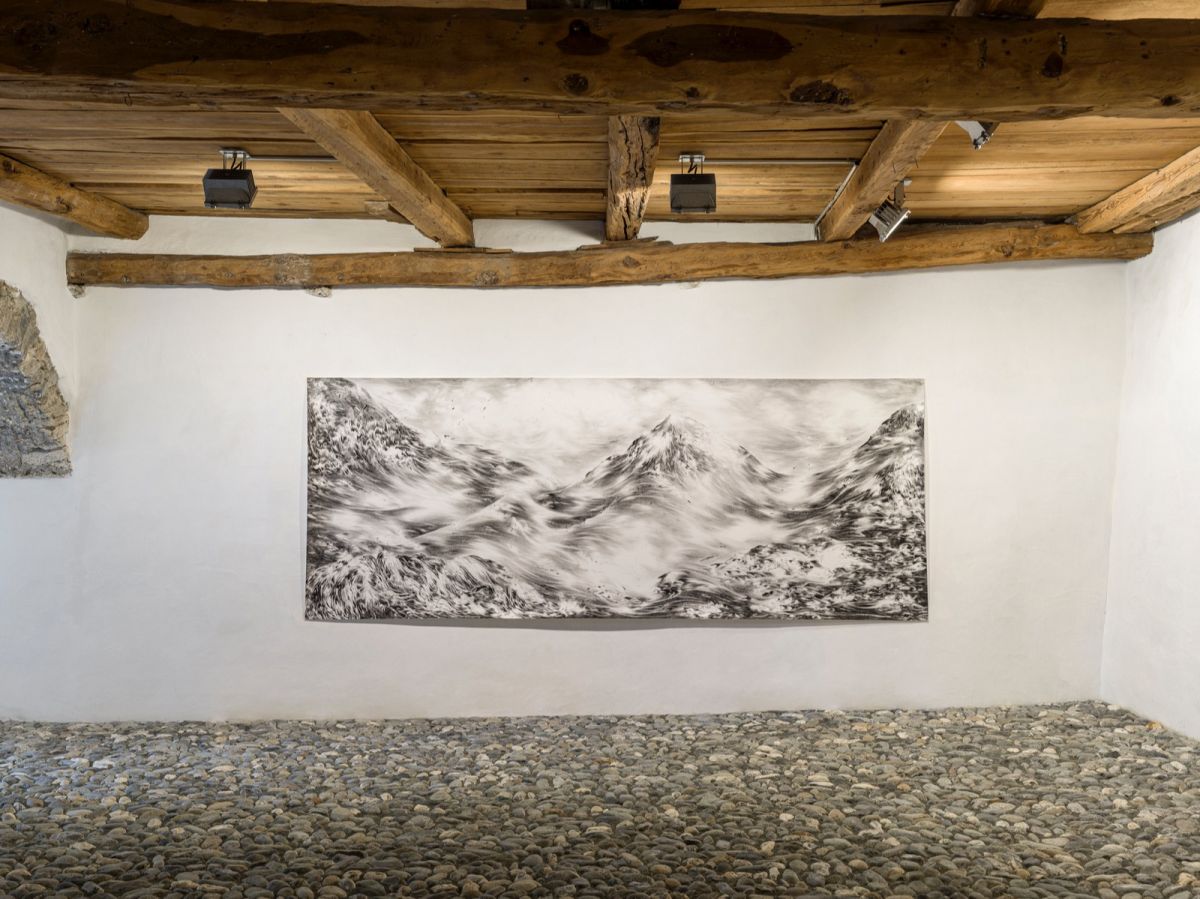
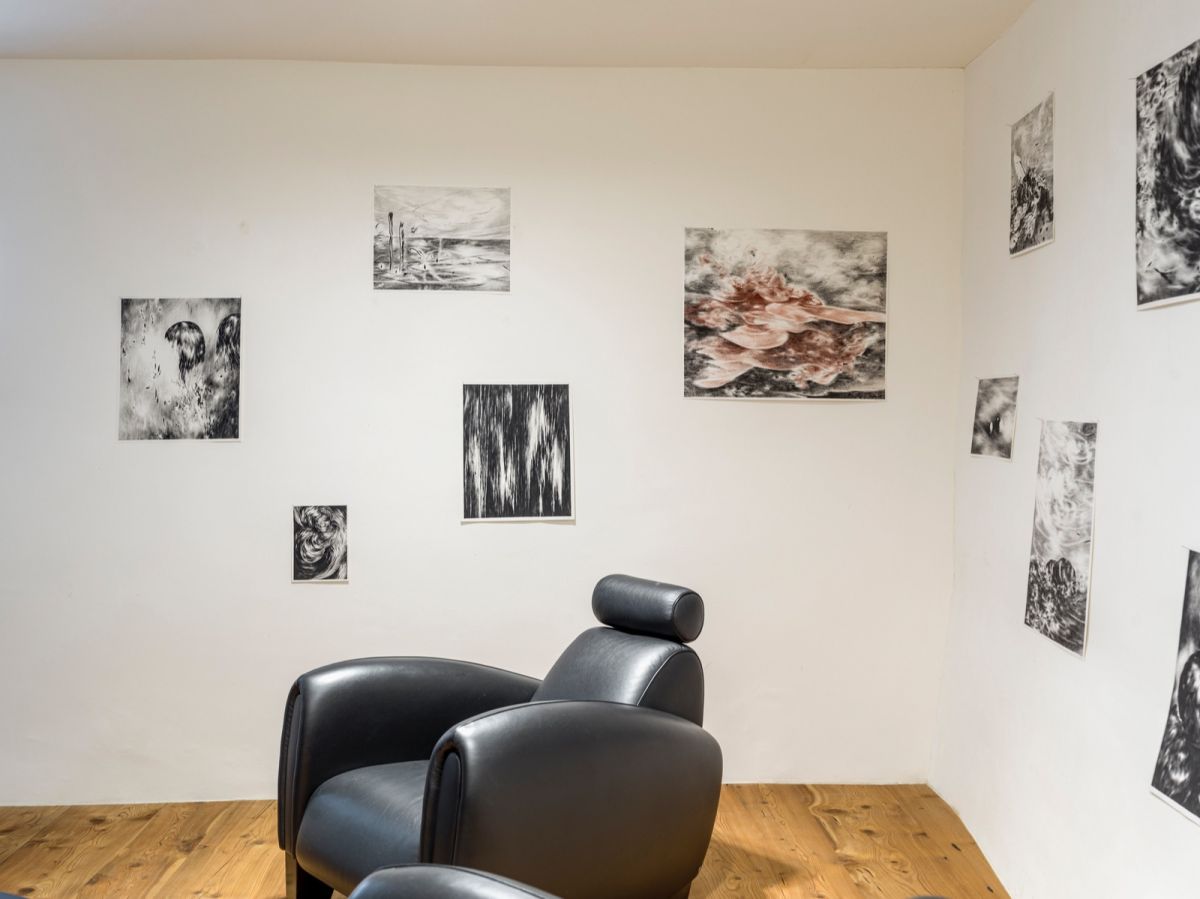
JS: I first came to know the Engadin through childhood holidays. Later, I returned for a residency at Fundaziun Nairs, and last year I did a residency at SilvrettAtelier, in the Austrian mountains, just behind the Engadine valley. I spent two weeks there, making drawings that all deal with the alpine landscape. Wogen (weite Fragen), the largest drawing in this show, was created during that time and became an anchor for the exhibition. I wasn’t trying to capture a specific view, I’m not interested in literal depictions. What fascinates me is the space between things: how mountains become waves, and waves become mountains. Wogen (weite Fragen) holds that tension: stillness and movement, solidity and dissolution. It’s less about the mountain as a form, and more about the mountain as a feeling, something that could be changing all the time.
MM: This fluidity between the physical and the emotional runs through the whole exhibition. growing isn’t a retrospective, but it gathers works from different years and materials. How did the selection come together?
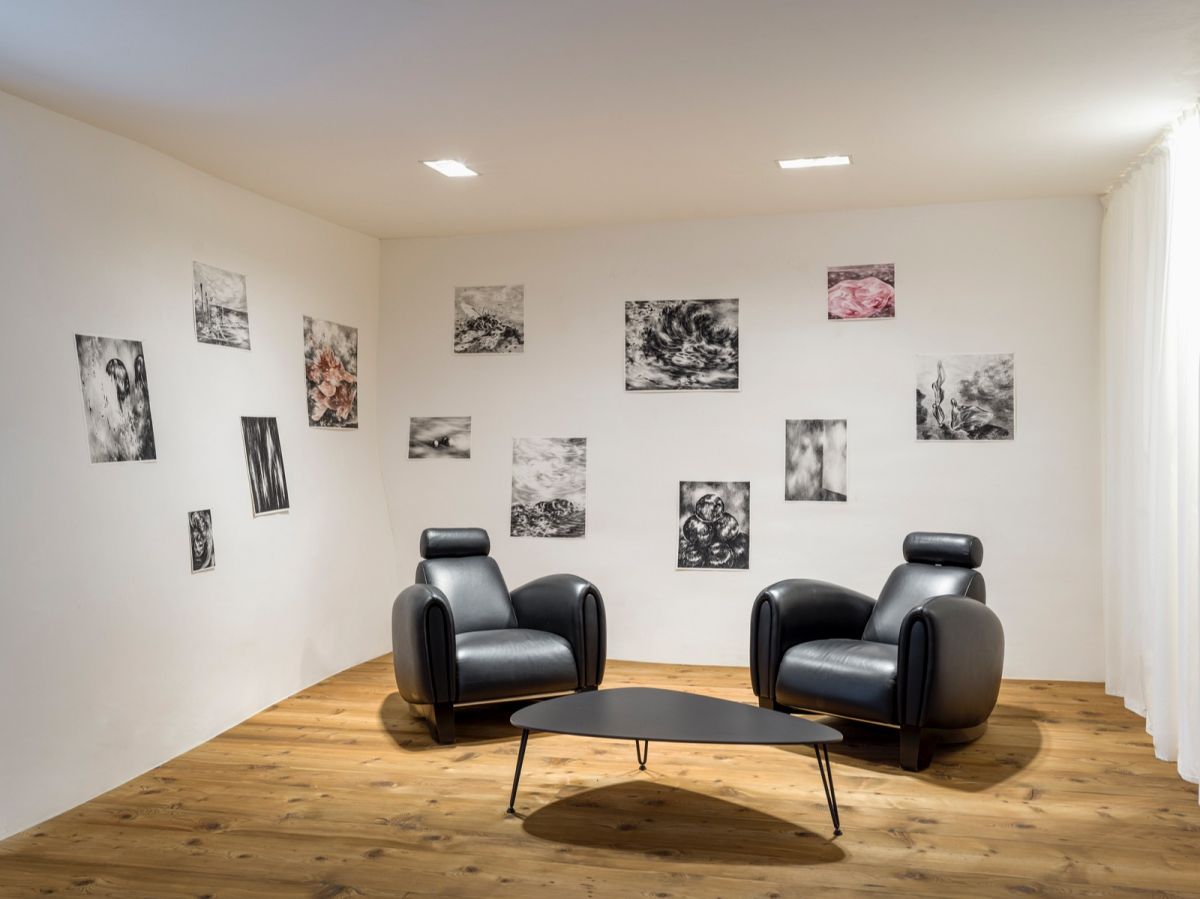
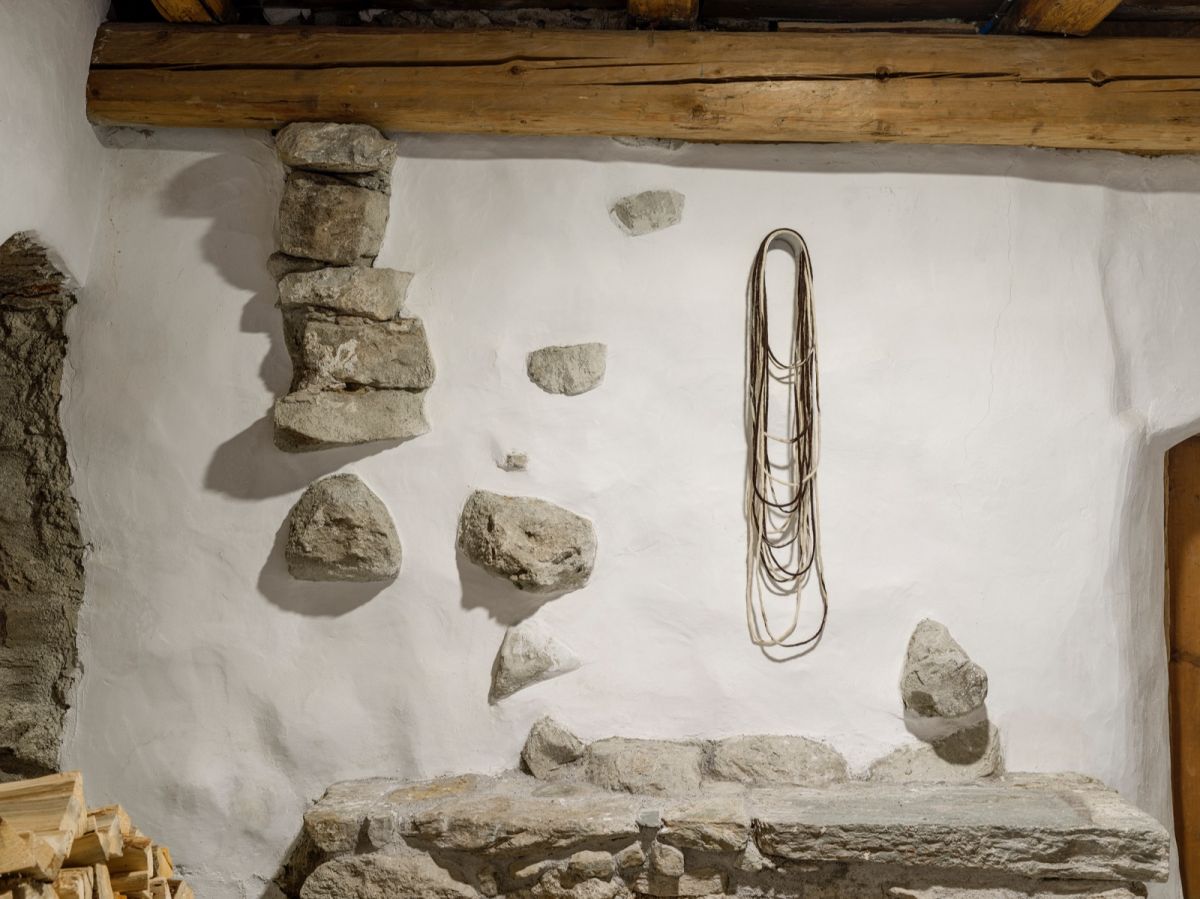
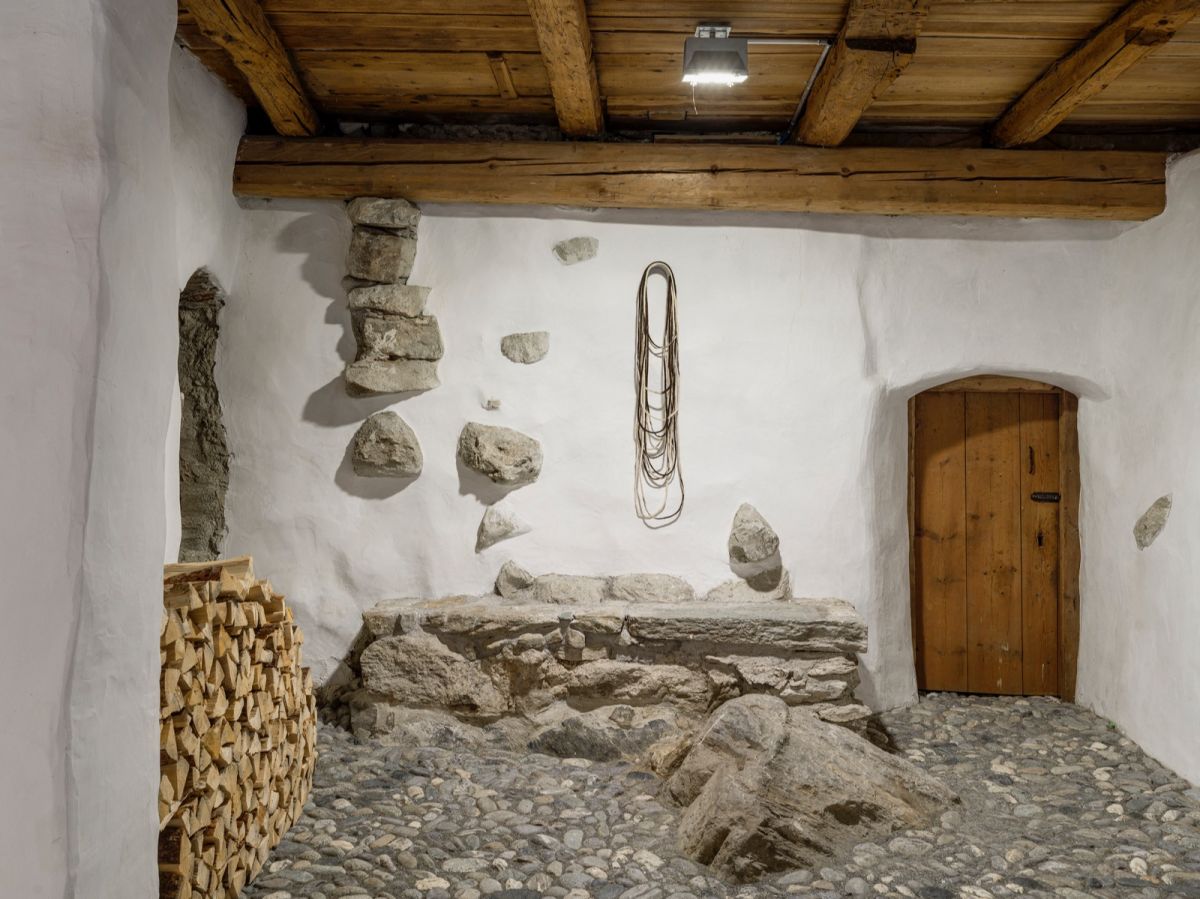
JS: It happened intuitively, guided by the space, which already holds a strong identity of its own. Alongside Wogen (weite Fragen), I immediately thought of belonging (loop), a rope of felted sheep’s wool, emerged from a work I developed for the exhibition MoorArt at Seleger Moor Park earlier this year. There, a 300-meter-long rope, created over six months, stretches horizontally across the park, exposed to nature and weather for another six months. Here, the rope returns as a closed loop on the wall of the former stable, evoking something rural, slow, repetitive, a shifting line between black and white. The fragments share that quiet intensity. Their modest scale suits the domestic rhythm of the space, and like belonging (loop), they hold an attentiveness to gesture and trace. The ceramics from the daily turn series also felt right in this context, for the familiarity and domesticity in their aesthetic. I made them during the pandemic, a time mostly spent in my studio. I began creating pairs of bowls, glazing and fusing them together in the kiln. There’s a quiet playfulness in them, but they also evoke repetition and everyday ritual. Placed on the table, they belong to the world of lived things. The work consists of seven pieces, suggesting a kind of weekly rhythm, oscillating and playing between dark and bright, day and night, open and closed.
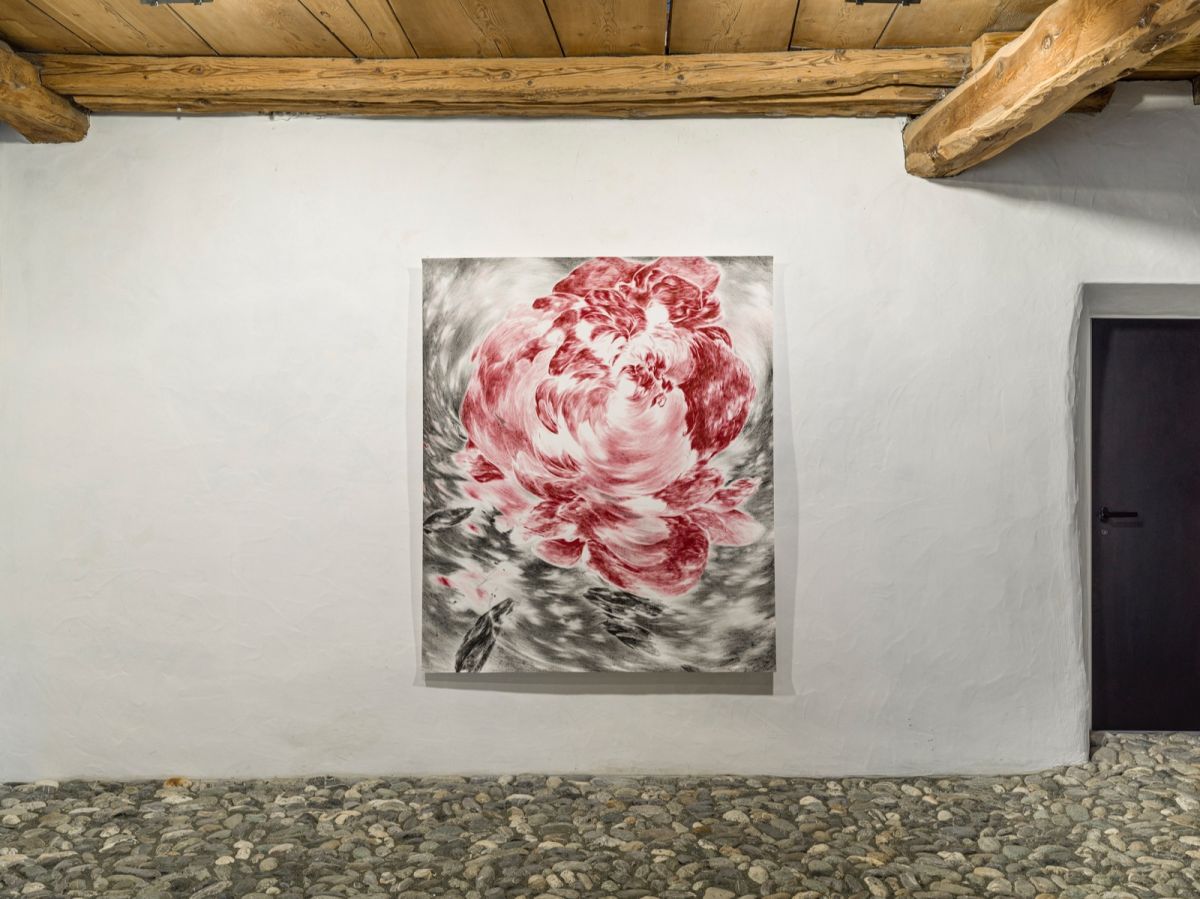
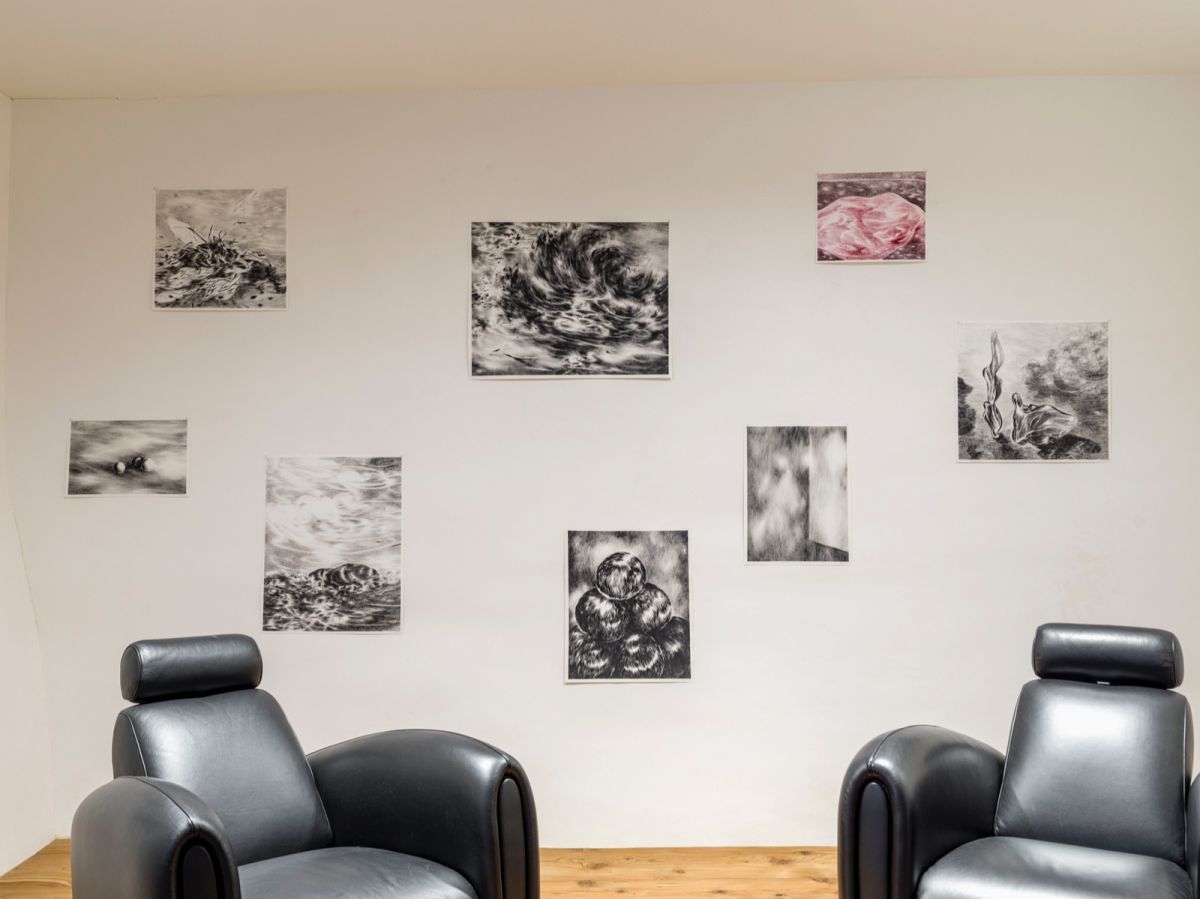
MM: In your work, I often sense a tension between temporalities. Some pieces, like the early fragments, carry a raw urgency, while others, like cosmos (blossom) or the ceramics, feel slow, grounded, as if they have settled into themselves. These contrasting rhythms seem to echo nature’s own logic, always shifting between eruption and rest, growth and dormancy. And then there is your use of black and white, which feels more conceptual than simply aesthetic. Almost like a gesture of reverence, a deliberate refusal to compete with the complexity of nature’s colors. Is this balance between different paces and movements something you consciously plan? What is it that black and white offers you, especially in relation to the landscape, that other colors don’t? JS: That balance between energies and temporalities is definitely there, but it’s not something I plan. It emerges through the process. In nature, but especially in the mountains, I experience a tension between different perceptions of time. A sense of vastness, yet also an intense immediacy, the awareness of your own fragility. That contrast is something that deeply interests me: the fact that everything is in flux, and you are just there, present in the now, knowing that the next moment might already bring a shift, a transformation. This duality shapes how I work. Drawings often respond to internal motion, they come quickly, instinctively. Sculptural pieces unfold more slowly, they take time to become. Working in black and white allows me to remain in a space of sensing. It frees me from having to choose or explain. Color always carries associations, but I’m not aiming to make an image of nature. It’s more abstract than that. For me, black and white leaves more room for interpretation. That said, color has returned in recent works, but only when the connection I’m following asks for it. In untitled (rose), for example, red isn’t tied to the flower, but points toward the body. It’s rooted in the idea of an organ, something internal, visceral, and connected to growth.
MM: In the mountains, silence feels almost loud. Looking at Wogen (weite Fragen), I feel a dense quiet, a charged stillness. It made me think of the Romantic “sublime”, an intense, almost overwhelming aesthetic experience tied to natural phenomena, where fear and pleasure coexist. Seen through that lens, your fragments at first appear to stand in contrast. They’re small, restrained. But then I remembered how the German Romantics, like Schlegel and Novalis, celebrated the fragment as both an art form and a philosophical idea. Schlegel in particular saw the fragment not as a single totality but as a chaotic universality of many opposing viewpoints. In that sense, your fragments are deeply connected to the sublime, just not in scale, but in scope. Not miniatures, but magnitudes.
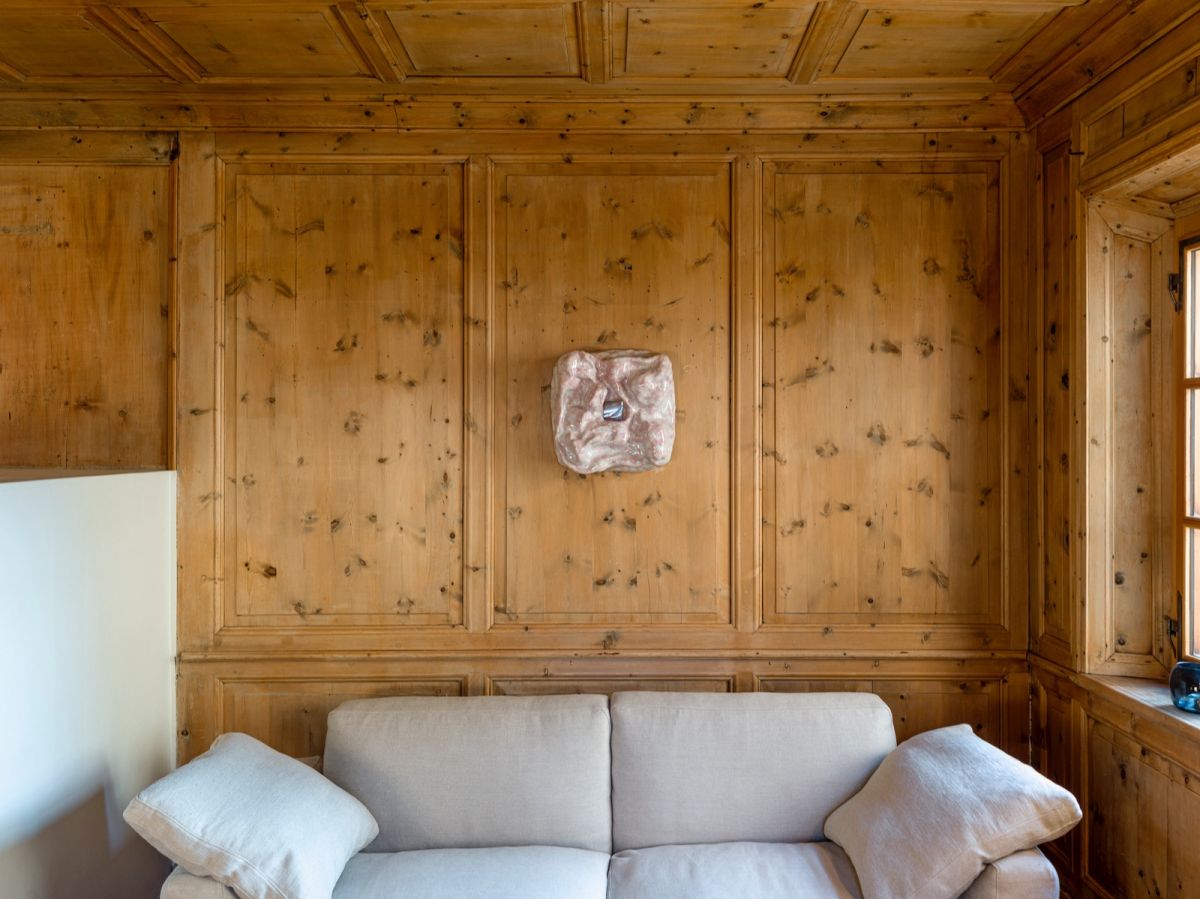
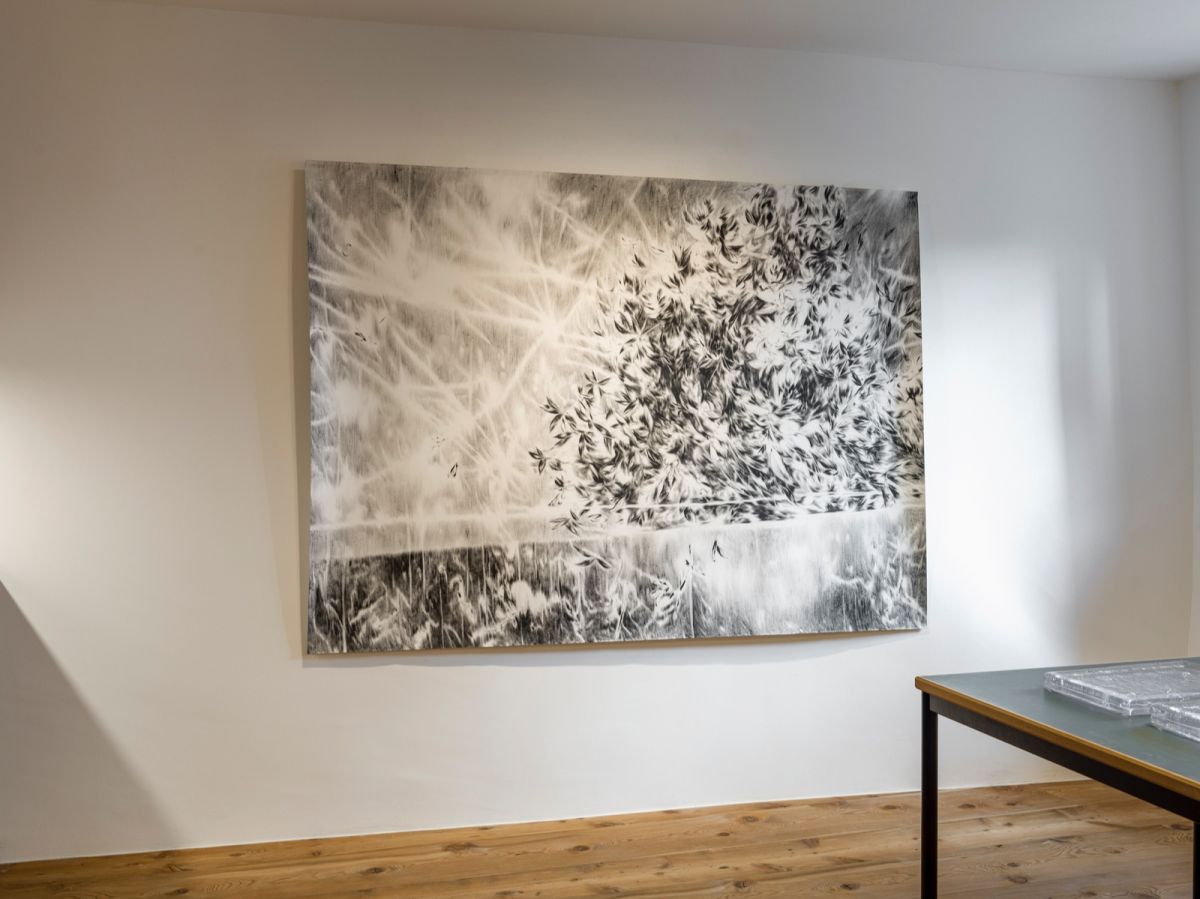
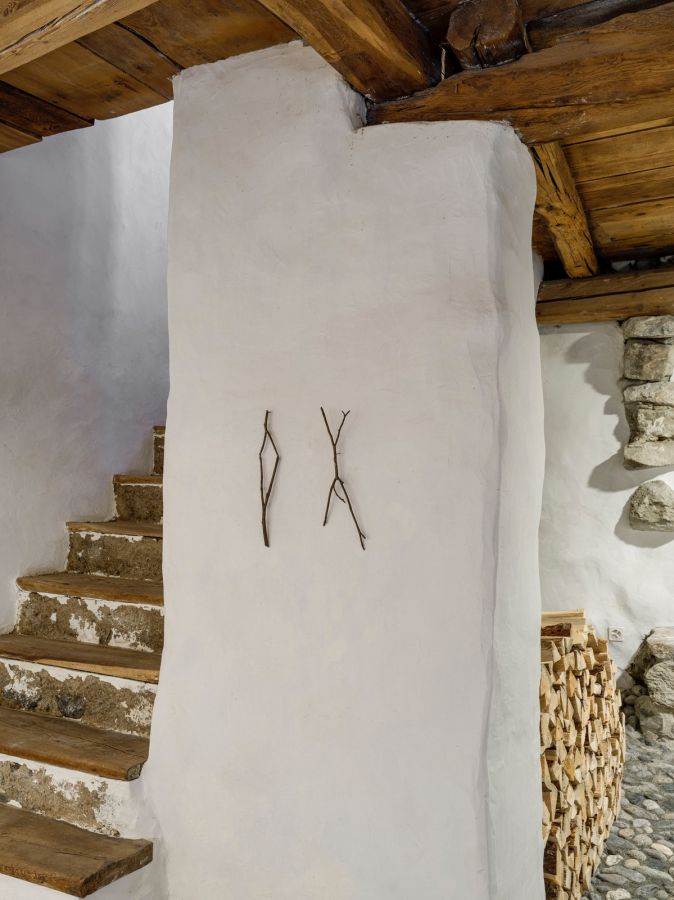
JS: That is exactly what I want to convey. When I draw a fragment, it’s never just about that single part, it’s about all the other fragments, points of view, or different moments that might exist around it. Each one is a point of entry into something larger. The same idea is behind the Fenster works: a window frames only a portion, but that portion becomes powerful because it invites the imagination beyond its edges. The cosmos (blossom) pieces follow a similar logic as well. In those, I embedded flowers from my studio into the glass casting process. They burn immediately, leaving behind ash and air bubbles. I see the flowers as a kind of “Ursprung”, an origin, because in their combustion, they become something else. It’s like looking into a new cosmos, a vast sky contained within something so small. A quiet universe growing or condensing within a brief moment.
Julia Steiner was born in Büren zum Hof (BE) in 1982. She lives and works in Basel. She studied at the Bern University of the Arts, with a semester at the Berlin University of the Arts. In 2018-19 she held a temporary professorship at the Braunschweig University of Art. The artist has realized numerous solo and group exhibitions in Switzerland and abroad. Among others at the Kunsthalle Wilhelmshaven, the Museum Pfalzgalerie Kaiserslautern, the Marta Herford Museum, the He Xiangning Art Museum Shenzhen, the Galerie Urs Meile and the Centre Pasquart Biel. She has realized site-specific works and art-and-architecture projects, for example in the Abbey Church in Bellelay in the Swiss Jura and the Basel Berufsfachschule. Julia Steiner has received numerous prizes, including the Swiss Art Award, the Manor Art Prize and the Strabag Artaward, and has taken part in various artist-in-residence programs in Switzerland, Beijing, London and Mallorca. Her works are represented in institutional collections in Switzerland (e.g. Kunstmuseen Bern, Thun, Biel) as well as in international private collections.
August 2 – August 31, 2025
Galerie Urs Meile, Ardez
Opening:
Saturday, August 2, 2025: 16 – 19h
Opening Hours
Friday to Sunday, 3 – 6 pm
and by appointment
Bröl 63
7546 Ardez
Switzerland
T +41 (0)76 320 24 43
ardez@galerieursmeile.com
Group presentation
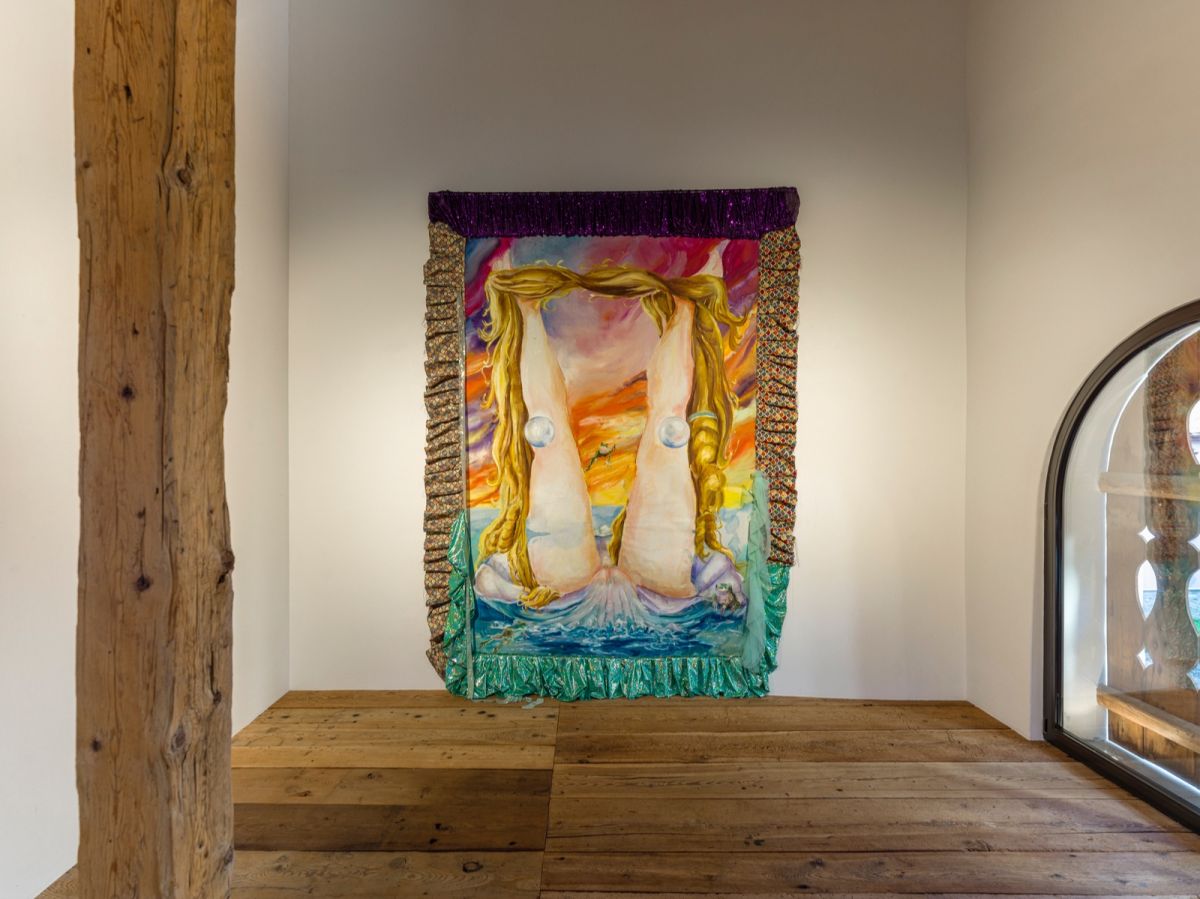
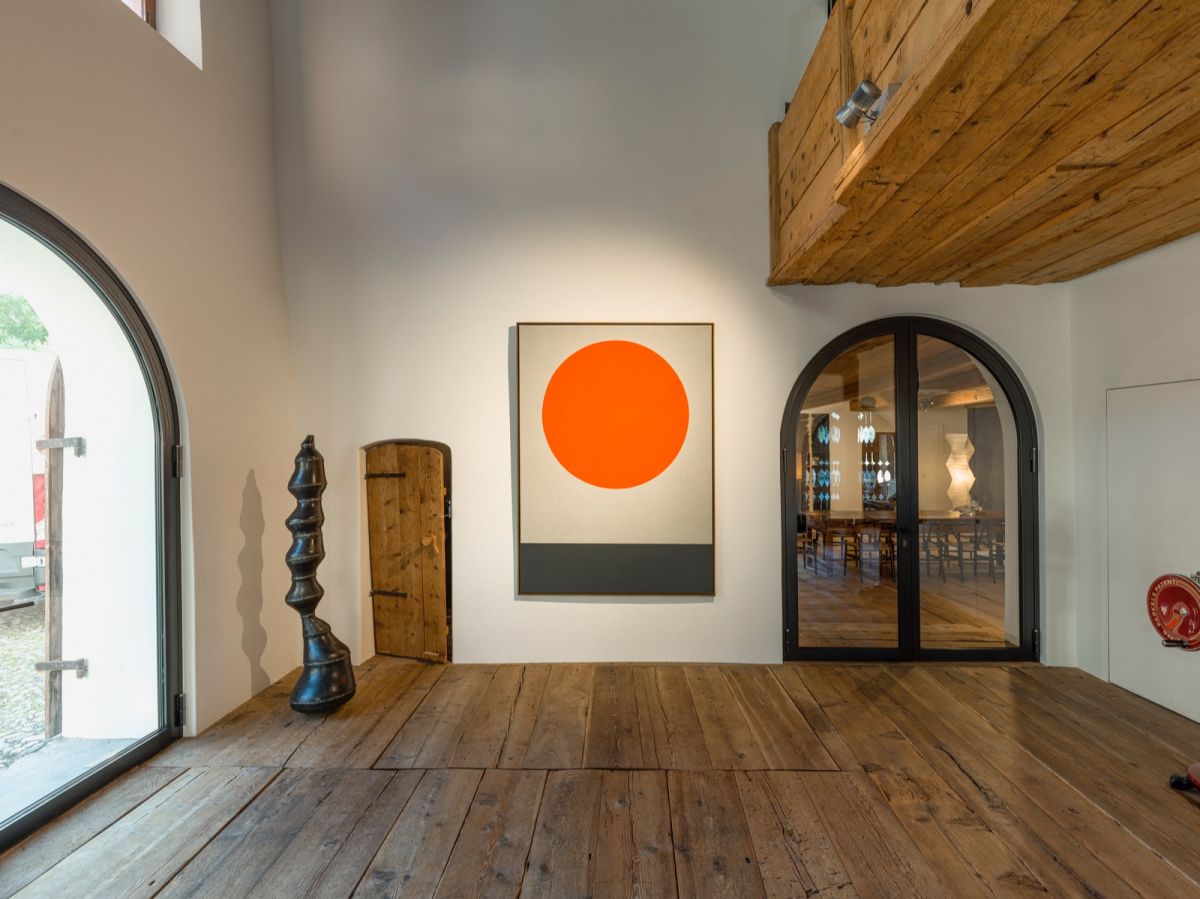
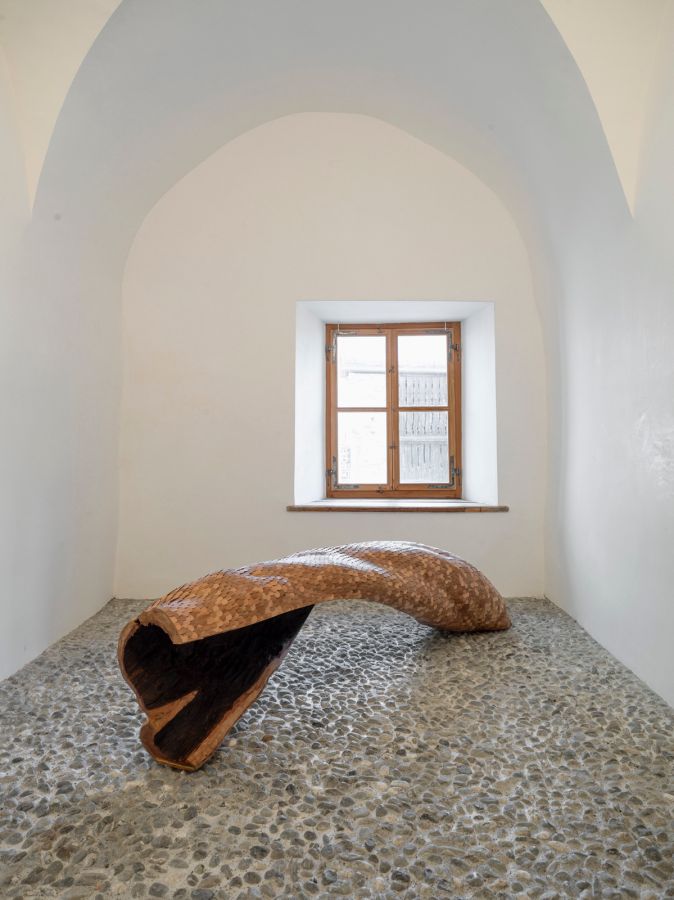
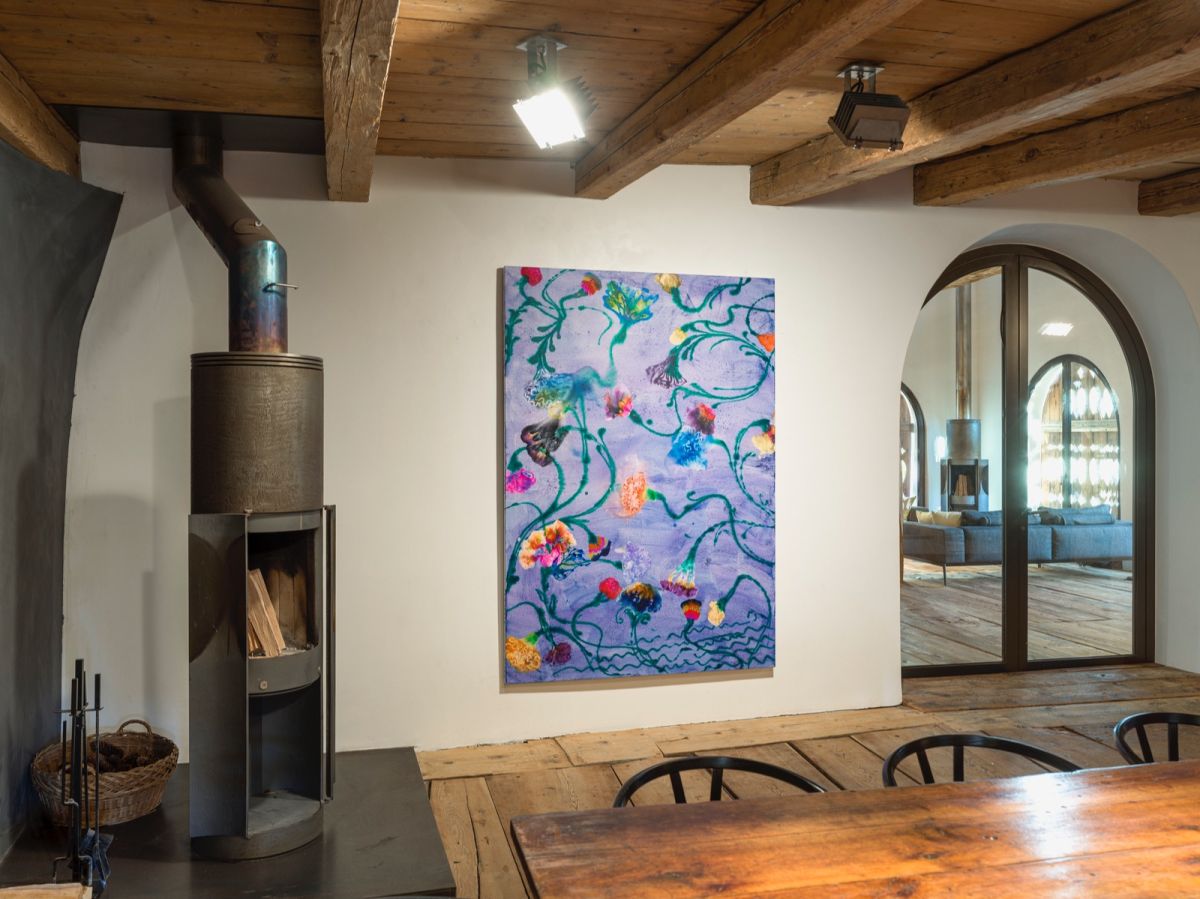
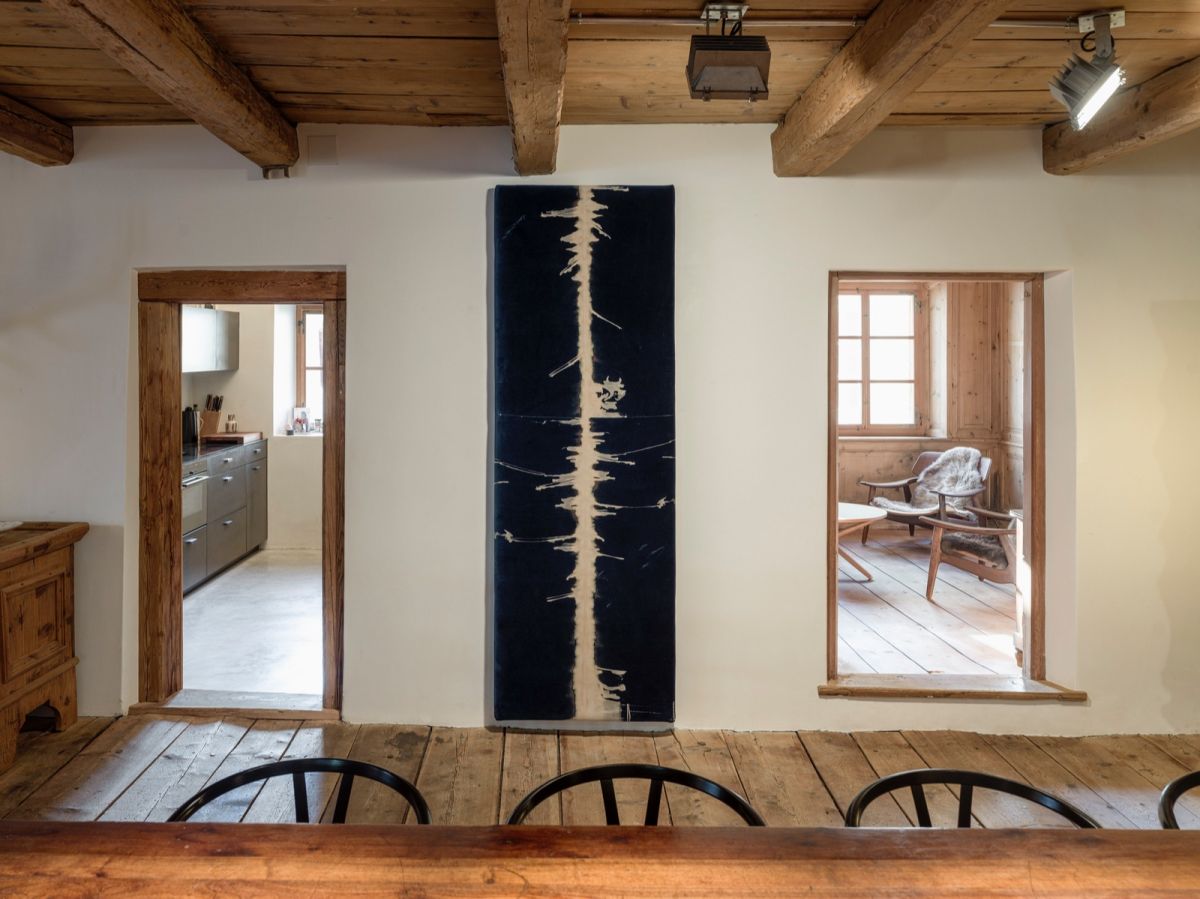
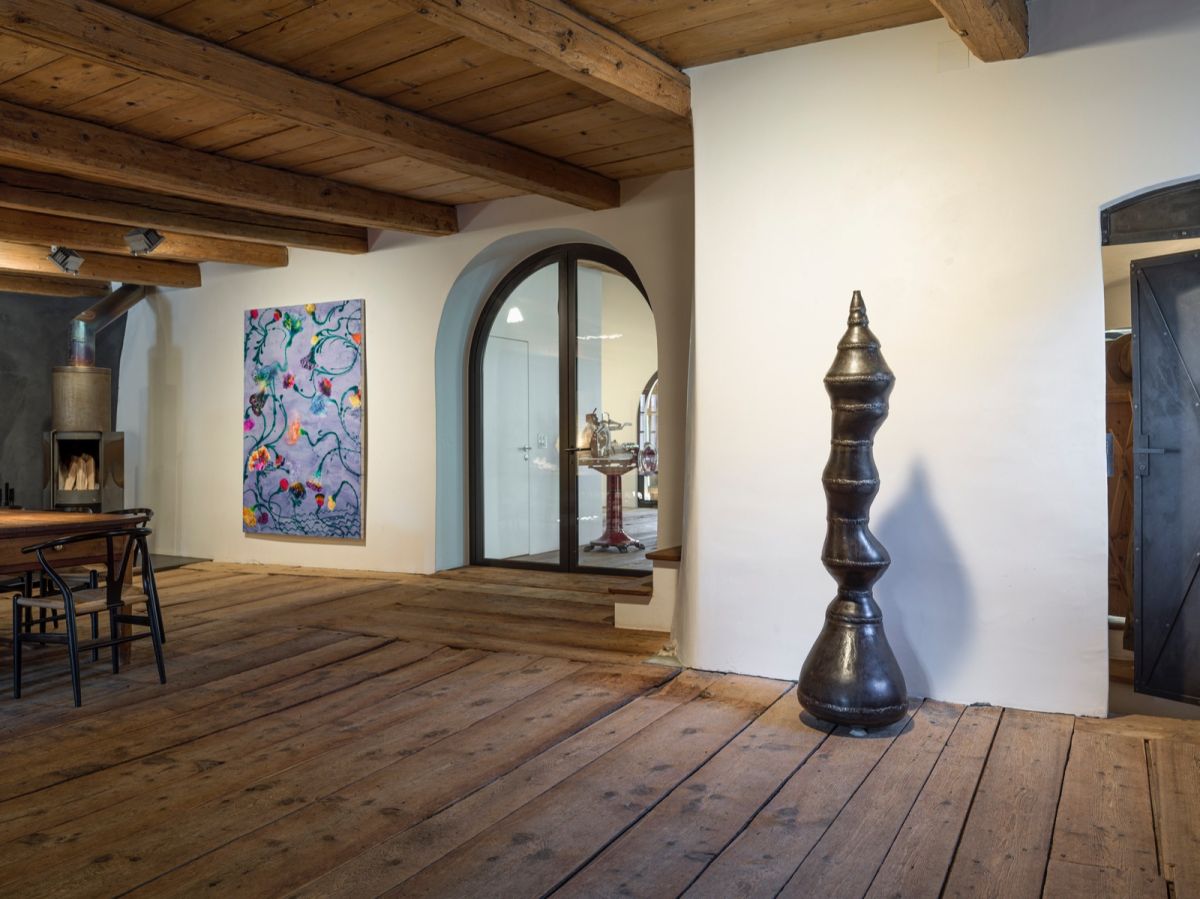
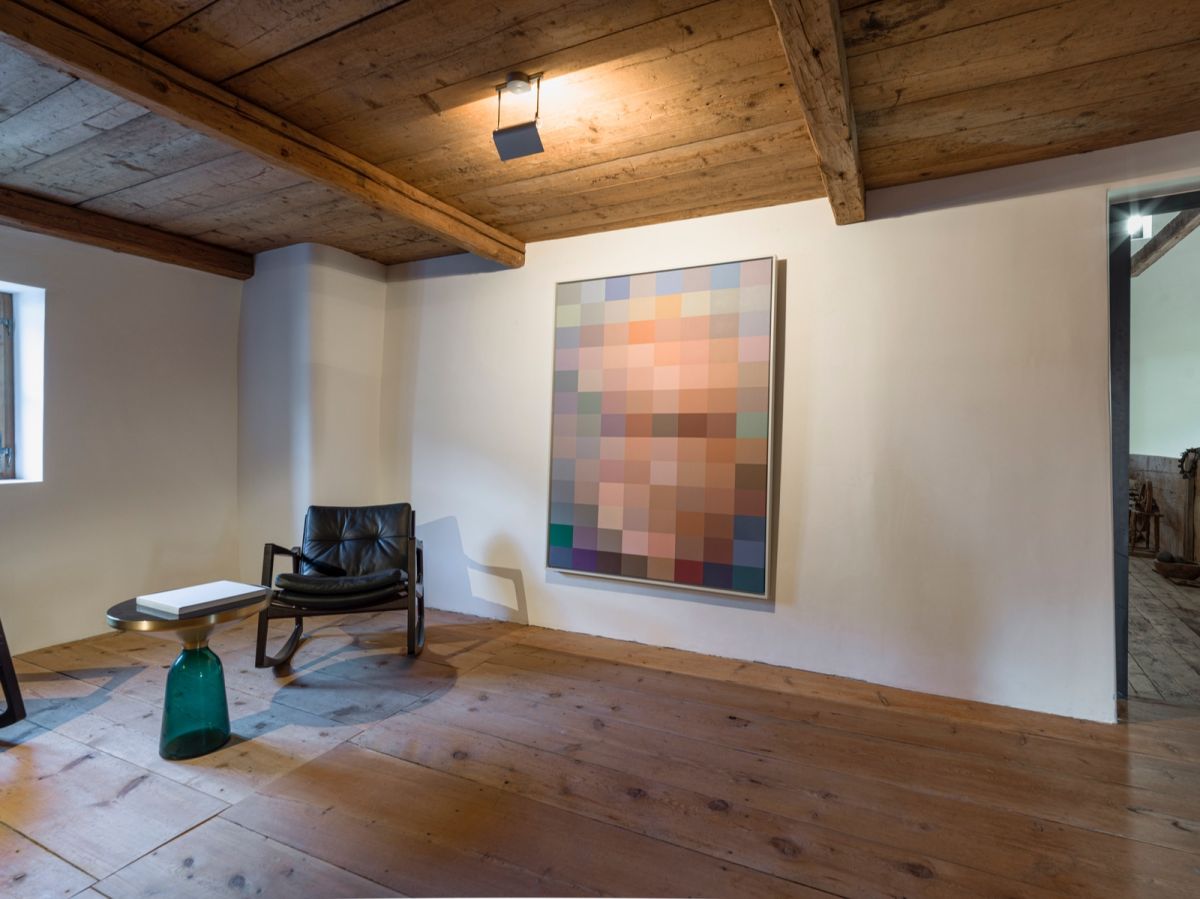
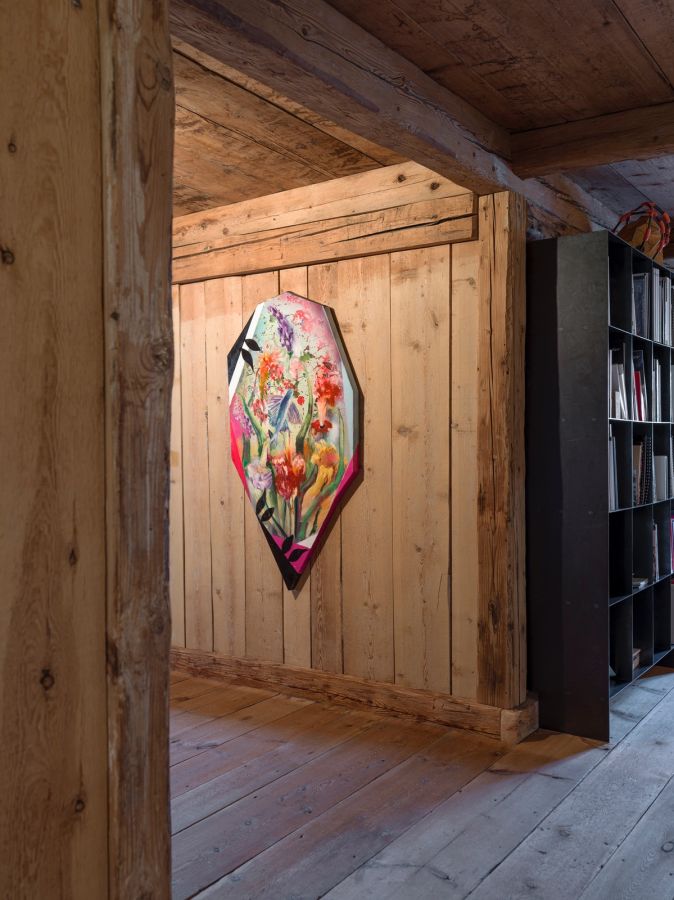
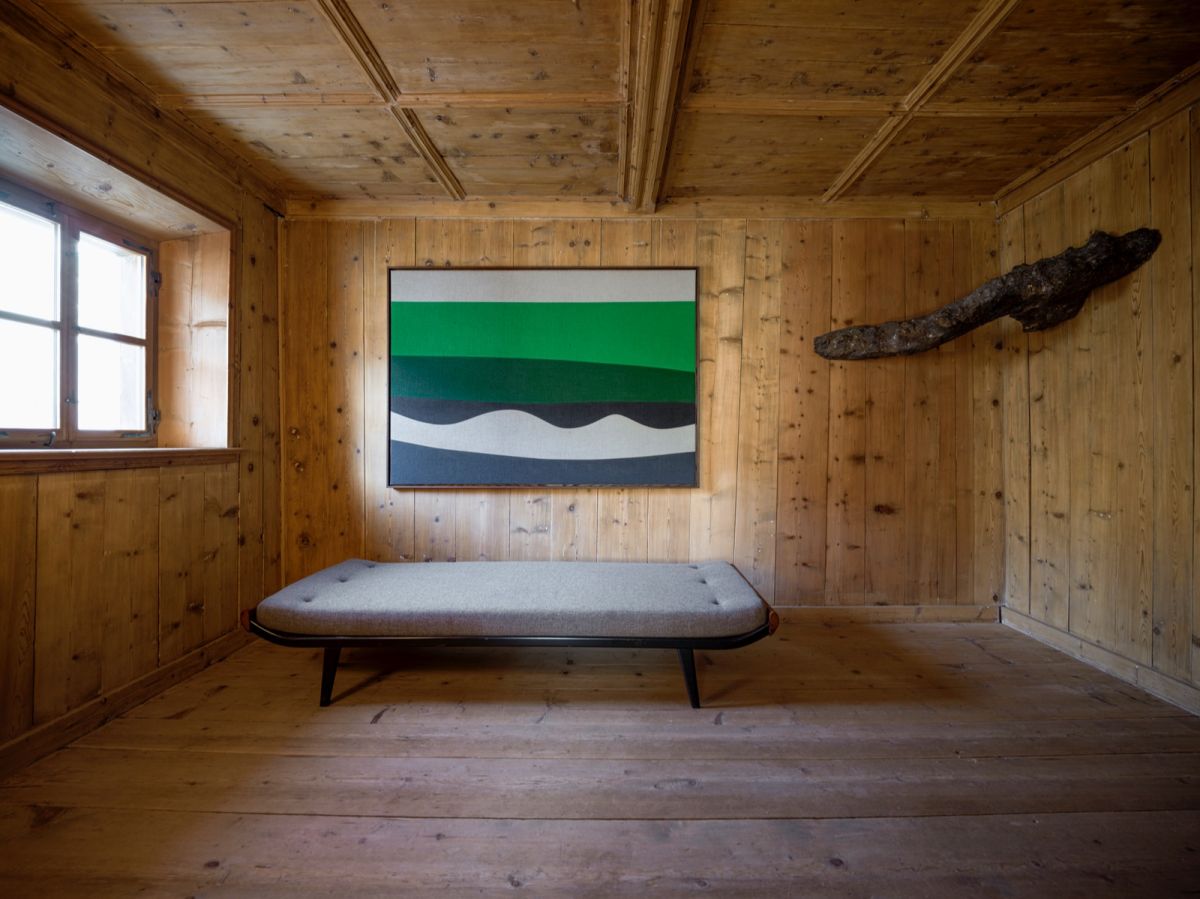
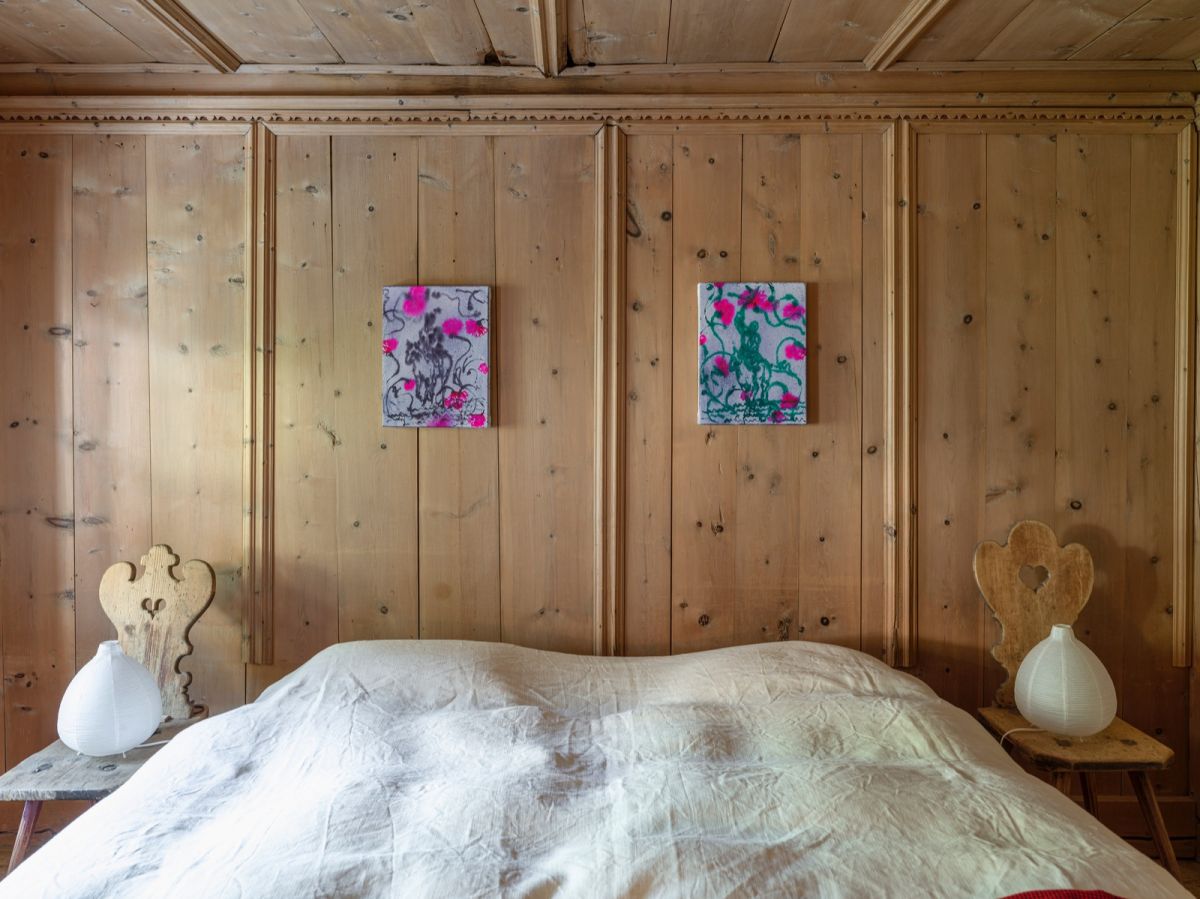
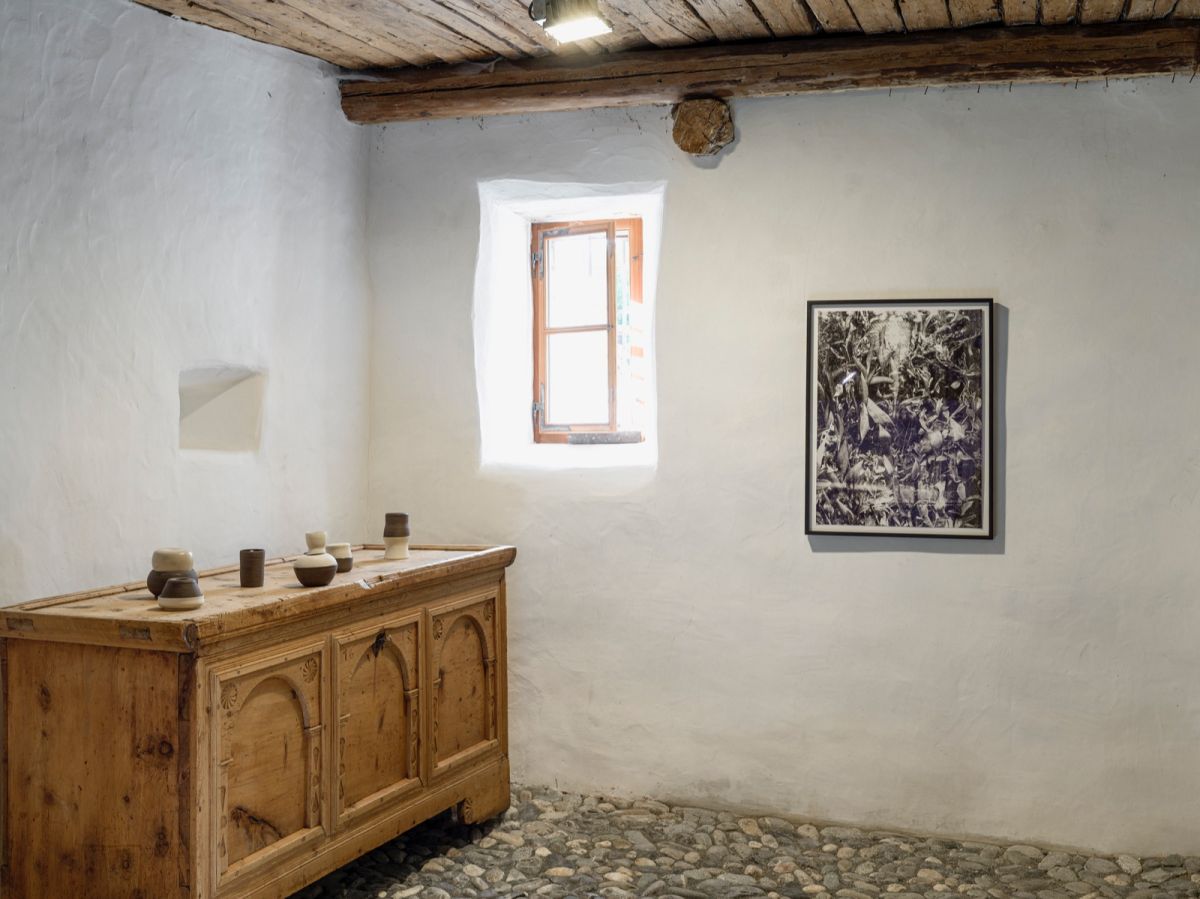
Alongside Julia Steiner’s solo exhibition, a curated selection of works by Antonio Ballester Moreno, Mirko Baselgia, Cai Dongdong, Klodin Erb, Hu Qingyan, Ju Ting, Miao Miao, Rosalind Nashashibi, Rebekka Steiger, Wang Xingwei, Wiedemann/Mettler, and Zhang Shujian will also be on view.
Exhibition Views Julia Steiner
Exhibition Views Group Presentation